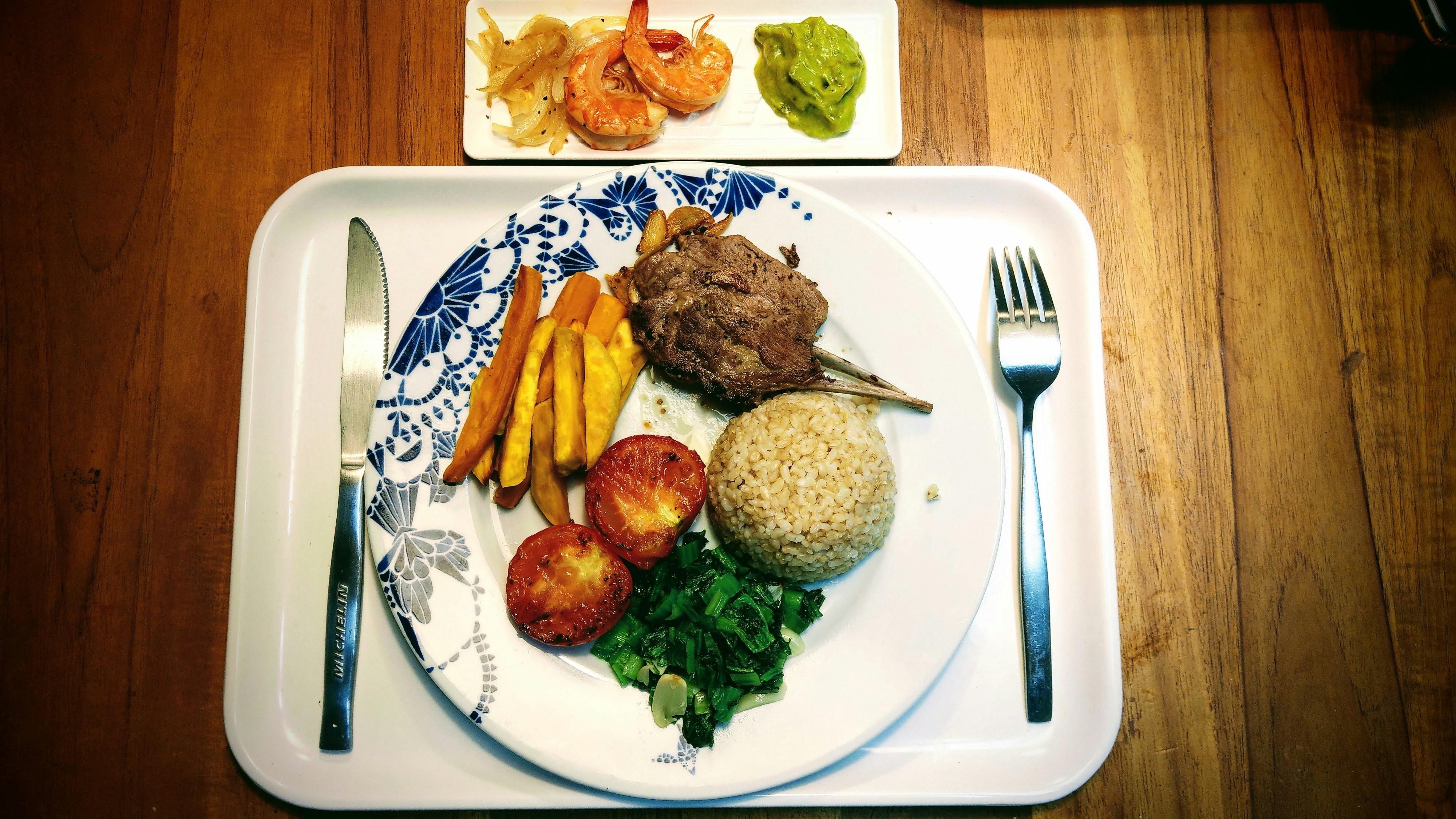
Introduction to the 7-Day Meal Plan
A 7-day healthy meal plan is an excellent starting point for individuals seeking to improve their eating habits and overall health. This structured approach to meal planning promotes balanced nutrition by ensuring that each meal includes a variety of essential nutrients, which can significantly contribute to better health outcomes. By dedicating time to outline meals for the week, individuals not only enhance their dietary choices but also provide themselves with an opportunity for weight management and improved energy levels.
The primary advantage of adopting a weekly meal plan is the time savings it offers. Meal prep for beginners can seem daunting, but with easy meal prep recipes, individuals can prepare meals in advance, minimizing cooking time during busy weekdays. This foresight simplifies the decision-making process when it comes to meal selection, thereby reducing the likelihood of reaching for unhealthy options or takeout choices. Furthermore, having a well-structured meal plan encourages adherence to healthy eating tips, which can facilitate better food choices.
Moreover, a healthy meal plan encourages variety in the diet, helping to prevent monotony that often accompanies repetitive eating patterns. For beginners, it allows the exploration of new ingredients, textures, and flavors, promoting a well-rounded palate. Each day of the week can focus on different food groups, ensuring comprehensive nutrient intake and satisfying dietary requirements.
In summary, a 7-day healthy meal plan not only serves as a guide to encourage healthier eating habits but also provides practical tools for ensuring time savings and improved health. By following a structured plan and utilizing easy meal prep recipes, individuals can transition smoothly towards their health and wellness goals.
Overview of Meals for Each Day
Creating a successful weekly meal plan is fundamental for beginners looking to maintain a healthy diet. This section outlines a detailed breakdown of a 7-day healthy meal plan, presenting simple yet nutritious breakfast, lunch, and dinner ideas for each day of the week. The meals are designed to be easily prepared, catering to those who are new to meal prep while offering flexibility to adjust them according to personal tastes and dietary restrictions.
Day 1: Start with a refreshing breakfast of oatmeal topped with fresh fruits. For lunch, consider a quinoa salad with cucumbers, bell peppers, and a light vinaigrette. Finish the day with grilled chicken and steamed broccoli for dinner.
Day 2: A smoothie made with spinach, banana, and almond milk sets a healthy tone in the morning. For lunch, opt for a turkey and avocado wrap with whole grain tortillas, followed by a hearty vegetable stir-fry with tofu for dinner.
Day 3: Greek yogurt with honey and granola makes an excellent breakfast. Enjoy a lentil soup for lunch and grilled salmon with asparagus for dinner.
Day 4: For breakfast, scrambled eggs with tomatoes provide protein and nutrients. A chickpea salad is a satisfying lunch option, while stir-fried chicken with brown rice rounds off the day.
Day 5: Whole-grain pancakes topped with berries offer a delightful morning meal. A vegetable wrap works well for lunch, and for dinner, try baked sweet potatoes stuffed with black beans.
Day 6: Overnight chia pudding is a fantastic choice for breakfast. Prepare a hearty spinach and tomato frittata for lunch and enjoy beef and vegetable kebabs with a side salad for dinner.
Day 7: Conclude the week with a breakfast of fruit smoothies. A quinoa bowl with roasted vegetables makes a nourishing lunch, and finish with a warm bowl of minestrone soup for dinner.
This sample meal plan emphasizes healthy eating tips that simplify the week, encouraging beginners to embrace meal prep. Adjust the portions and ingredients to suit dietary preferences or restrictions, ensuring your healthy meal plan remains enjoyable and fulfilling.
Meal Prepping and Grocery Shopping Tips
Meal prepping is an essential practice for anyone embarking on a healthy eating journey, particularly for beginners who may find the concept overwhelming initially. A well-structured healthy meal plan can simplify your week, ensuring you have nutritious options ready to go. Start by dedicating a specific day, such as Sunday, for meal prep. This approach allows you to batch cook your meals, ensuring that each dish is ready for the week ahead.
To begin, select easy meal prep recipes that align with your dietary goals. Focus on balanced meals incorporating lean proteins, whole grains, and plenty of vegetables. This ensures your weekly menu is not only nutritious but also enjoyable. When batch cooking, prepare a selection of proteins such as grilled chicken, roasted chickpeas, or baked fish. These items can serve as versatile meal components in various recipes throughout the week.
Effective storage is crucial for maintaining the freshness of your prepped meals. Invest in high-quality containers that are microwave and dishwasher safe. Opt for clear containers that allow you to see what meals are available at a glance. When dividing your meals, portion out individual servings to simplify your routine—this encourages healthy eating habits and minimizes the temptation to reach for unhealthy snacks.
As you prepare for grocery shopping, create a comprehensive list based on the healthy meal plan you’ve devised. Stick to whole foods and perimeter items in the grocery store, such as fresh produce, lean meats, and whole grains, while limiting processed foods found in the aisles. Additionally, purchasing in bulk can be a cost-effective way to manage your grocery budget while ensuring you have enough supplies for several meals. By following these meal prepping and grocery shopping tips, you can establish a sustainable approach to healthy eating that fits seamlessly into your lifestyle.
Essential Kitchen Tools and Resources
Embarking on the journey of creating a healthy meal plan can be significantly enhanced by the use of appropriate kitchen tools and resources. Beginner meal preppers can benefit from specific appliances, utensils, and storage containers designed to facilitate the cooking and preparation process. Investing in a quality set of kitchen knives, a cutting board, and measuring tools can streamline your efforts in achieving precise and healthy portions for your recipes.
When it comes to appliances, consider acquiring a slow cooker, pressure cooker, or an air fryer. These versatile cooking tools allow for easy and efficient preparation of a variety of healthy meal prep recipes. For example, a slow cooker can simplify the cooking process by allowing ingredients to simmer while you manage other tasks. Moreover, an air fryer provides a healthier alternative for achieving crispy dishes with minimal oil, aligning with your healthy eating tips.
Storage is another important aspect to consider in your weekly meal plan. Investing in high-quality glass containers not only aids in preserving the freshness of your meals but also allows for easy reheating in the oven or microwave. Opt for portioned containers to help with maintaining appropriate serving sizes, an essential factor in any healthy meal plan.
Additionally, there are numerous online resources available to assist beginners in meal planning. Meal planning apps can help create grocery lists, organize recipes, and schedule meal prep days effectively. Websites dedicated to meal prep offer a wealth of recipes, tips, and even community support, making the transition to routine healthy eating easier. Utilizing these handy tools can ensure your healthy eating journey is both manageable and enjoyable, making cooking a delightful endeavor rather than a chore.